
Air pollution in India, both indoors and outdoors, drives oxidative stress by generating reactive oxygen species (ROS) that damage cells and trigger inflammation.
The best way to counteract the effects is to have an environment that isolates you from the pollutants, is free of all pollutants and provides you with filtered, decontaminated and fresh air. The AIRSHIP is a Hyperbaric Air Chamber that is designed to do that.
However, till the time you do not have an AIRSHIP, here are some steps that you can take to reduce Oxidative Stress in your body for better health.
Consuming foods high in antioxidants, such as vitamins A, C, E, zinc, selenium, and phytochemicals, neutralizes ROS induced by pollutants like PM2.5, ozone, and VOCs. Antioxidants donate electrons to free radicals, stabilizing them and preventing damage to DNA, proteins, and lipids. A 2025 study found that Indian children with higher intakes of vitamins A, C, D, zinc, and selenium had lower risks of respiratory illness and anaemia despite PM2.5 exposure. Key foods include:
Amla
(Indian Gooseberry, 20x more vitamin C than oranges)
Guava
Oranges
Papaya
Rich in vitamin C to protect lung tissue
Spinach
Carrots
Pumpkins
High in beta-carotene and vitamin A to reduce inflammation
Turmeric (curcumin)
Black Pepper
Scavenges ROS and reduces systemic inflammation
Almonds
Flaxseeds
Sesame Seeds
Providing vitamin E and selenium to protect cell membranes
Jowar
Bajra
Offers zinc and polyphenols
Adding these affordable foods to daily meals counters oxidative stress. Aim for 2–3 servings of fruits and
vegetables daily, as recommended by the Indian Council of Medical Research.
Indian pickles (achar), a dietary staple, can support or hinder this strategy. Fermented pickles with
turmeric, garlic, or chili (e.g.,
homemade mango achar) provide antioxidants and probiotics, reducing inflammation. However, high-salt (5-15%
sodium), high-
oil, or sugary pickles (e.g., chhundo) may increase oxidative stress by promoting ROS via vascular stress or
lipid peroxidation. Limit
intake to <10 g/day and choose low-salt, low-oil, fermented varieties to maximize benefits.
In India's high-AQI urban areas (AQI 500–1800), outdoor exercise like walking or running increases PM2.5 inhalation by 2–3x due to deeper breathing, amplifying ROS and oxidative stress.
For example, Delhi's AQI hit 1800 in 2024, with PM2.5 > 1800 μg/m³, making outdoor activity hazardous. Indoor gyms and yoga studios, often with AQI 200–300, also pose risks due to VOCs or poor filtration.
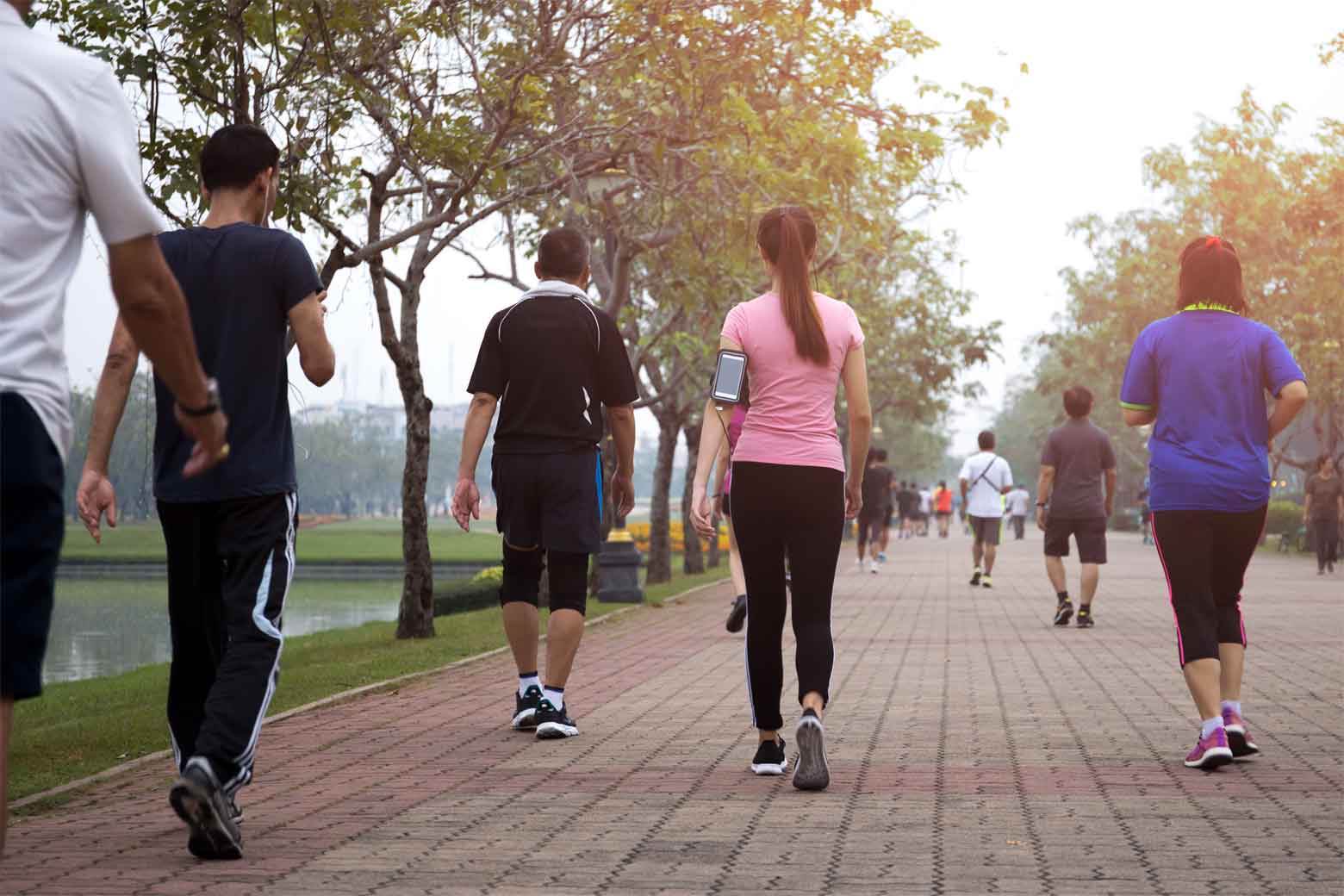
Avoid outdoor exercise when AQI > 150 (PM2.5 > 35 µ/m3, WHO guideline)
and limit high-intensity indoor
workouts unless in a purified space. Use the AIRSHIP for low-intensity exercises like yoga or
stretching, where its filtration ensures clean air, reducing
ROS-induced lung inflammation.
For example, 30 minutes of yoga in the AIRSHIP avoids 90% of PM2.5 exposure compared to outdoor air,
benefiting asthmatics and urban residents.
Urban households (90% LPG users) can replace gas stoves with electric induction stoves to eliminate methane, NOx, and PM2.5 emissions, which drive ROS production. Induction stoves are 90% energy-efficient, producing zero combustion pollutants, unlike LPG, which leaks 0.4 - 1.2 g/day of methane, forming ozone and aerosols. A 2023 study linked gas stoves to 12.7% of childhood asthma cases. Cooking with induction reduces indoor PM2.5 by 80% compared to LPG, lowering oxidative stress for women and children.

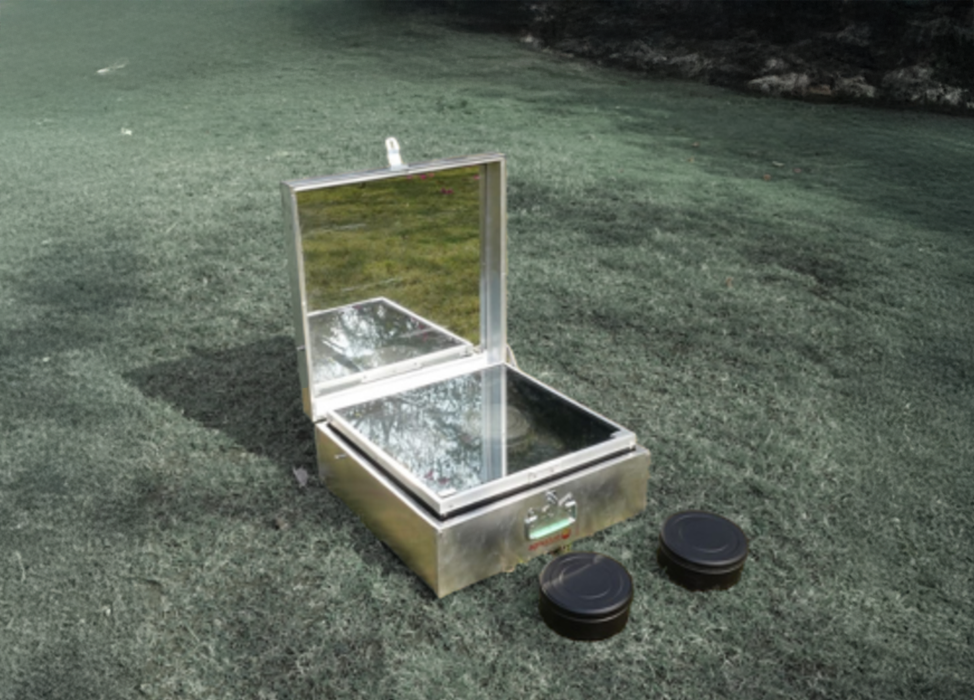
Solar cookers, powered by India's 300 sunny days / year, produce zero emissions, eliminating PM2.5, VOCs, and methane. Suitable for urban balconies, they reduce oxidative stress by avoiding combustion pollutants. Parabolic solar cookers cook rice or dal in 1-2 hours. The National Solar Mission subsidizes 30% of costs, making them viable for middle-class households. Solar cooking cuts indoor AQI from 300 (LPG) to near zero, protecting against ROS - induced lung damage. Use for daytime meal s to complement induction stoves.
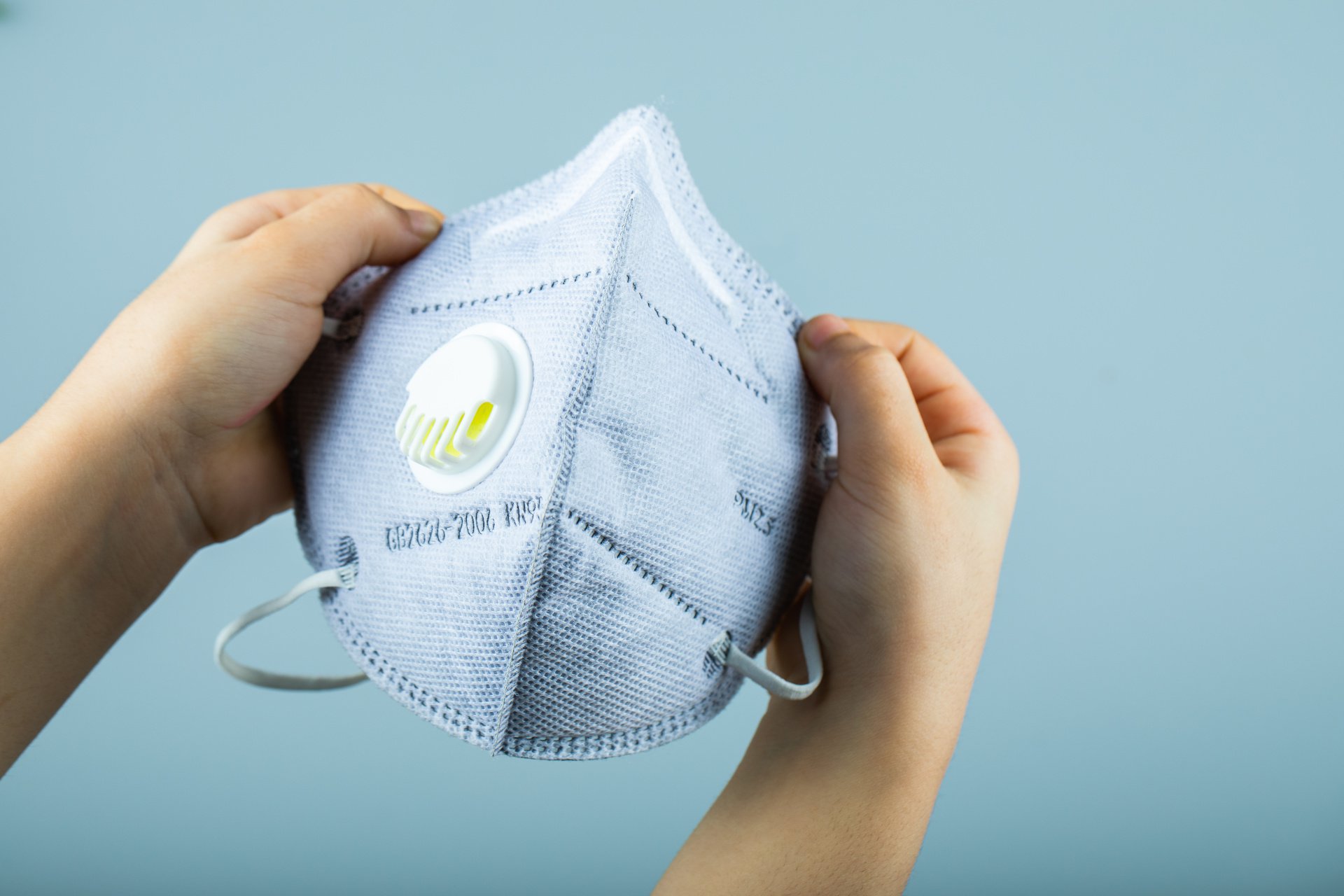
Wearing N95 masks in high-AQI areas (e.g., Delhi winters, AQI > 500) reduces PM2.5 inhalation, limiting ROS production. Masks block particles from vehicle emissions (10M vehicles in Delhi) and waste burning. Reusable N95s or subsidized options improve access for sanitation workers and urban residents. Use during commuting or outdoor work.
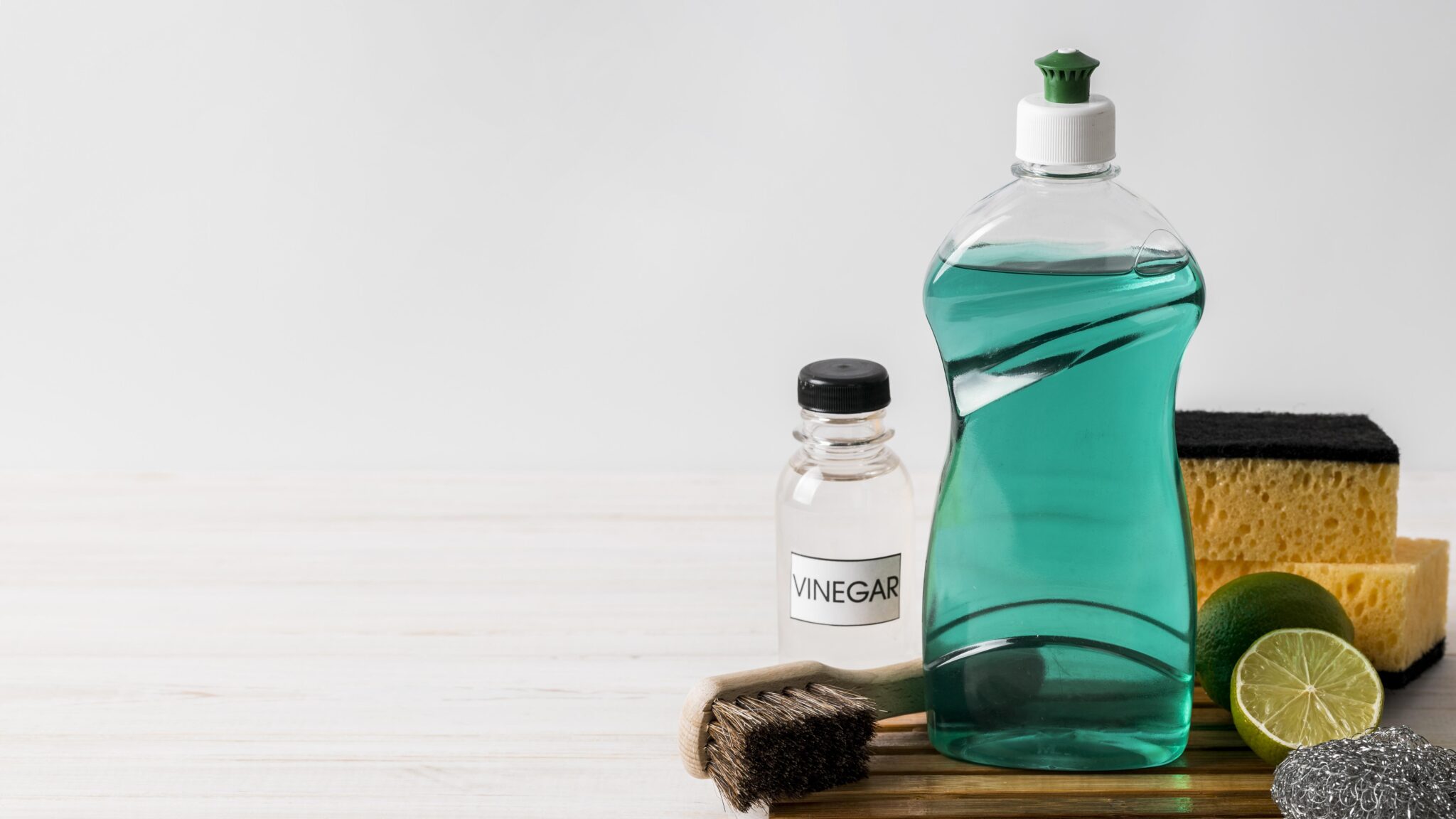
Indoor VOCs from paints and cleaners, common in urban homes (50% of Mumbai's population in high-rises), contribute to oxidative stress. VOCs like formaldehyde produce ROS. Low-VOC or natural alternatives, like neem-based cleaners or water-based paints, reduce emissions (e.g., 10-20x less formaldehyde) lower indoor AQI, protecting apartment dwellers and children.
Standard moisturizers, cosmetics and body lotions disrupt the Human Oxidation Field by reacting with ozone, depleting protective - OH radicals and increasing oxidative stress. Fragrances / unscented lotions worsen this effect. However, Serums with vitamin C (e.g., C E Ferulic) or green tea neutralize ozone - induced radicals, reducing collagen degradation and lipid oxidation. These are beneficial.

Full body clothing is an effective barrier to prevent reaction of OH radicals in the Human Oxidation Field with excessive Ozone formed in the air in India. Clothing acts as a UV shield, and reduces skin exposure to Ozone and UV radiation, thereby suppressing free radical generation.

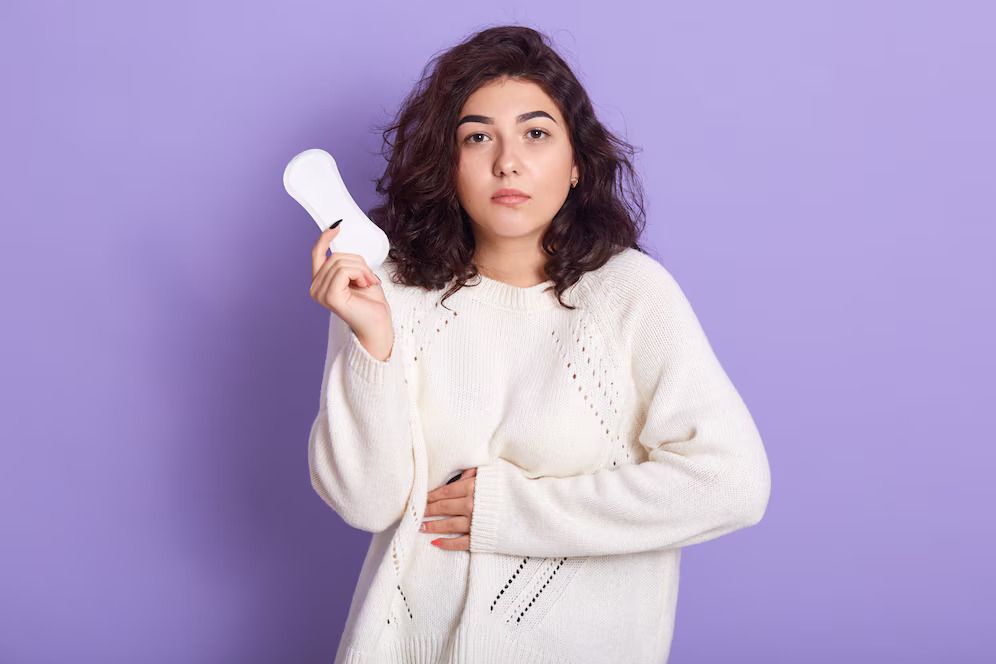
Women under menstruation are subject to higher risk. Menstruation increases ROS generation through a combination of hormonal fluctuations, endometrial breakdown, and inflammatory processes. Rising progesterone levels during the luteal phase and the subsequent estrogen withdrawal contribute to this increase, particularly during endometrial shedding Therefore, during this time, women should avoid entering the kitchen as cooking generates bioaerosols and VOCs, avoid inflammatory foods such as pickles and should limit exposure to an environment where there are plants as plants emit organic pollutants- as these activities will contribute to ROS generation and damage health.
The AQI levels in India are unsustainably high. The only real immediate solution is to isolate yourself from the ambient toxic air environment and spend more time in a fresh air environment. However, till the time you are able to do that, the above actions would help in at least minimizing ROS production.