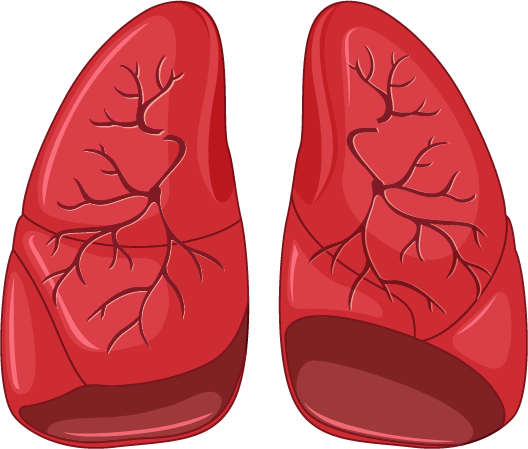
Respiratory Diseases
ROS from Ozone and PM2.5 cause inflammation in lung tissue leading to:
- Asthma
- Sleep Apnea
- COPD
- Lung Cancer


PM 2.5 is just one of the several pollutants that are present in our air. These various pollutants are generated from different sources like wind patterns, industrial activity, waste burning, household and ground level combustion, and several other factors.
Together, these pollutants make the air toxic by changing its molecular structure and creating molecules called Free Radicals (FR).
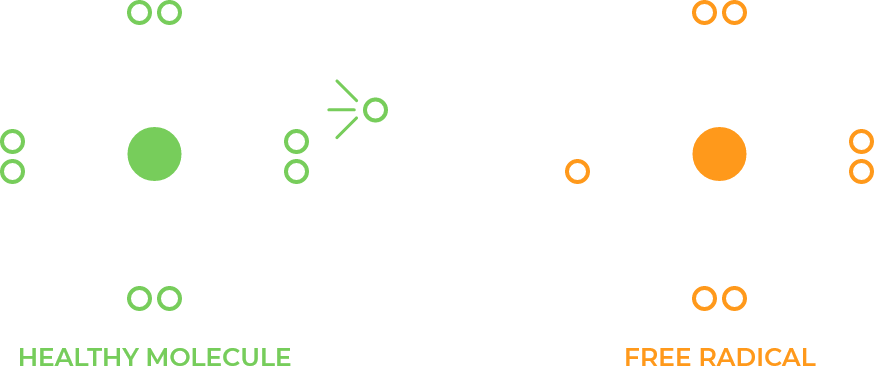
A free radical is any molecular species that has an unpaired electron and is thus highly unstable and reactive.
By either contributing or accepting an electron, they can behave as oxidants or reductants, respectively.
Free radicals are also produced by a variety of normal biological processes, in plants and animals, including aerobic metabolism and pathogenic defense mechanisms.
A certain type of FRs that contain Oxygen are called Reactive Oxygen Species (ROS). A few of the most common reactive oxygen species include hydroxyl radical (OH), superoxide anion (O2-), and hydrogen peroxide (H2O2).
ROS, are oxidants. They are a group of unstable, oxygen-containing molecules that are chemically reactive due to the presence of unpaired electrons, and are a natural part of biological metabolism. They are a byproduct of normal cellular metabolism and play important roles in cellular signaling and other biological processes.
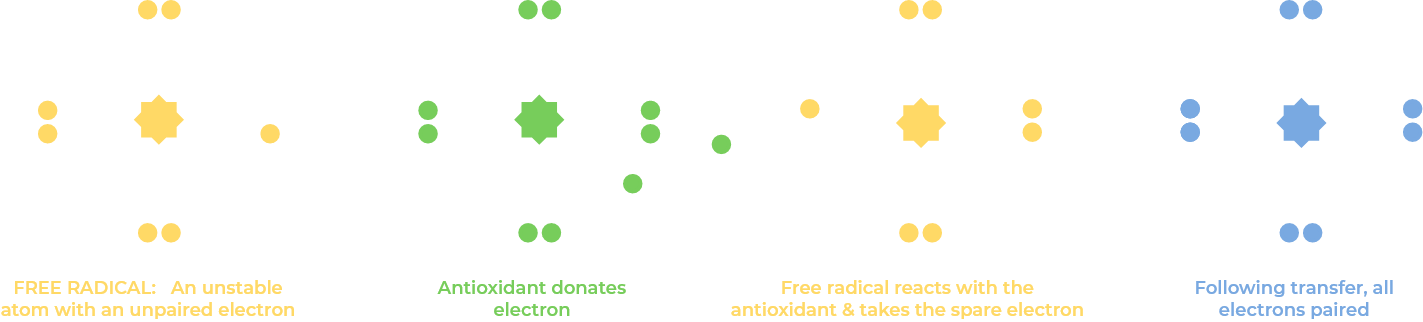
ROS can also be produced in response to environmental stressors such as pollutants and radiation. Pollutants cause damage by creating excessive ROS in the human body. This overwhelms the body's antioxidant defence creating an imbalance as the number of Oxidants exceeds that of anti oxidants.
When present in excess, ROS can damage cells by oxidizing essential biomolecules like proteins, lipids, and nuclei Cellular senescence or even Cell Death.
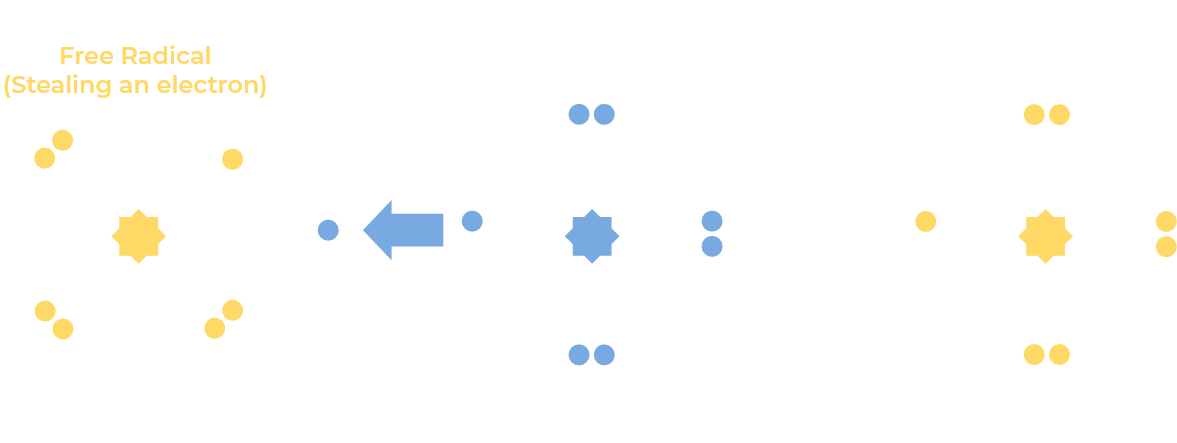
This may lead to various cellular dysfunction, including DNA damage, lipid peroxidation, and protein damage, ultimately contributing to cell death and to various diseases including aging and cancer.
Cells with high metabolic rates produce greater amounts of ROS. So anything that increases cell metabolic rates, like exercising or fighting a disease or Oxidative Stress, would cause generation of excessive ROS.
Air Pollution is complex. And its wreaking havoc in India. Between 2013 and 2021, 60% of the planets toxic air has come from India. As such, we must accept the severity of the problem and that there are no one or two causal factors and no silver bullet to alleviate the problem of toxic air in this region.
There are various types, causes and reasons for prevalence of Toxic Air in India.
ROS from Ozone and PM2.5 cause inflammation in Lung tissue leading to:
Pollutant particles in the air damage blood vessels and promote clotting leading to:

EDCs like PFAs, BPA and pesticides disrupt the signalling mechanisms leading to:

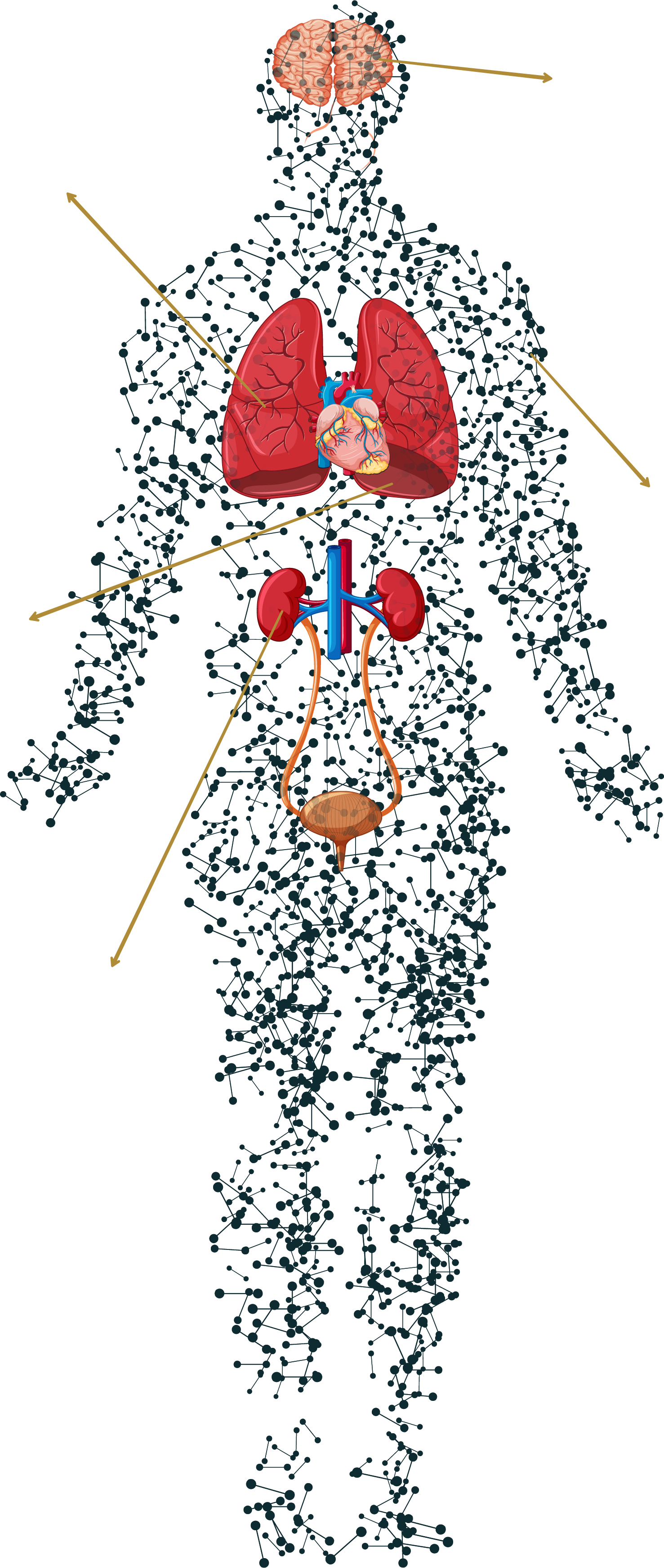
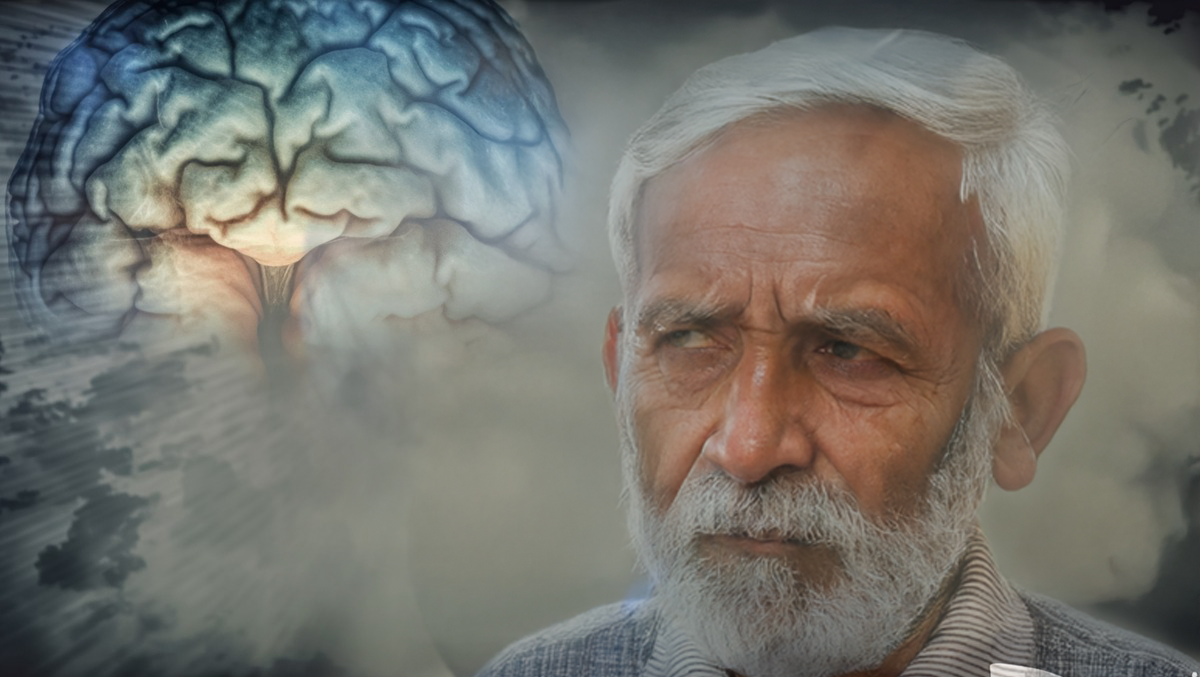
ROS cross the BBB contributing to loss of higher order thinking skills, and leading to:
PAHs and PCBs damage the layer of the skin leading to:

ROS from Ozone and PM2.5 cause inflammation in lung tissue leading to:

ROS cross the BBB contributing to loss of higher order thinking skills, and leading to:

EDCs like PFAs, BPA and pestiicdes disrupt the signalling mechanisms leading to:
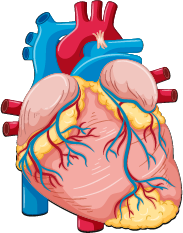
Pollutant particles in the air damage bloodvessels and promote clotting leading to:
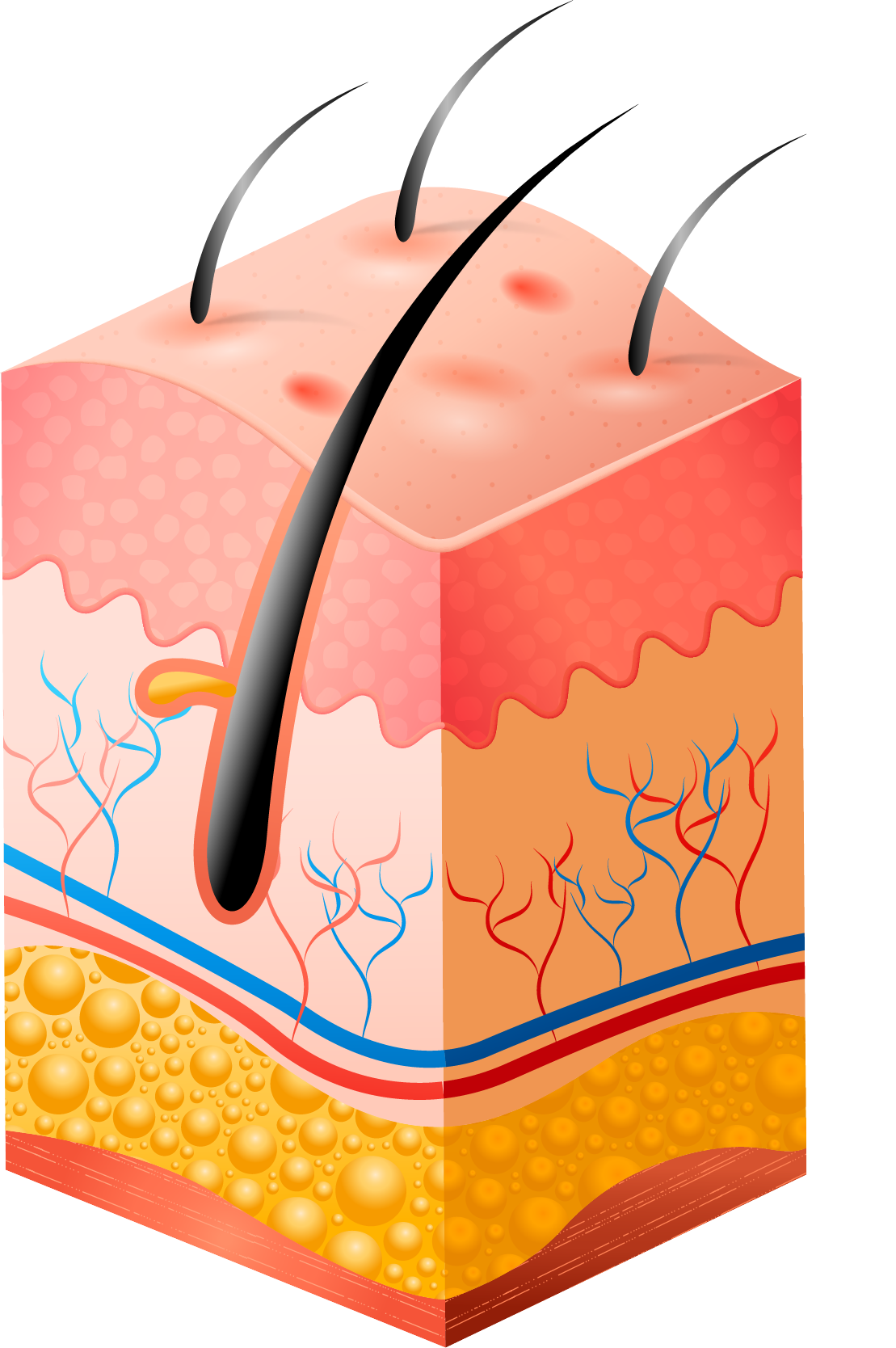
PAHs and PCBs damage the layer of the skin leading to: